How to do Art Commissions

This series of tips is written for new emerging illustrators, who are just getting started with private commissions (please note commissions for companies follow a slightly different structure, mostly in regards to contracts and client feedback rounds.)
If you have been thinking about doing art commissions but are unsure where to begin, this blog post is for you.
Step 1: Determine if you're ready to do commissions!
To do that you need to know what's involved in doing a commission. The most important difference between commission art and your own art is the client is asking you to make a piece of art based on their vision (Emphasis on their vision, not yours, because commissions are for the client. Your personal art is for you. You’re essentially going to be a hand for the client, though, of course, many of them do want you to add the special touch that is your artistic ability.)
Why does this matter? Some artists love doing their own art, but find that when it comes to doing art, where someone else calls the shots, it is not as engaging and can even be a struggle. There’s nothing wrong with this. It’s just a matter of preference.
Step 2: You’ve determined you’re ready. Now, what’s the process?
The commission process is commonly as follows:
1. The client sends you a description of what they want, (with possible references. Having them provide image references makes it easier to see what they expect, even if it's just for inspiration)
2. You send the client a working contract and payment information. The contract should list the scope of the work, estimated cost, late fee structure, payment structure, cancellation fee, deadlines, revision inclusion, and transfer of rights entailed. You both have to sign this agreement.
Never work without a contract; it protects both you and the client. If you’re unsure where to begin with contracts I recommend picking up Graphic Artists Guild Handbook, 16th Edition: Pricing & Ethical Guidelines (*Affiliate link)
Commission Payment Structure
A 50% deposit and 50% final payment is usually a good structure for payment. You can also do a 40% deposit, 30% after the color rough, and 30% on the final. If you're working with companies, they have their own contracts and payment structures. Make sure you read things in detail.

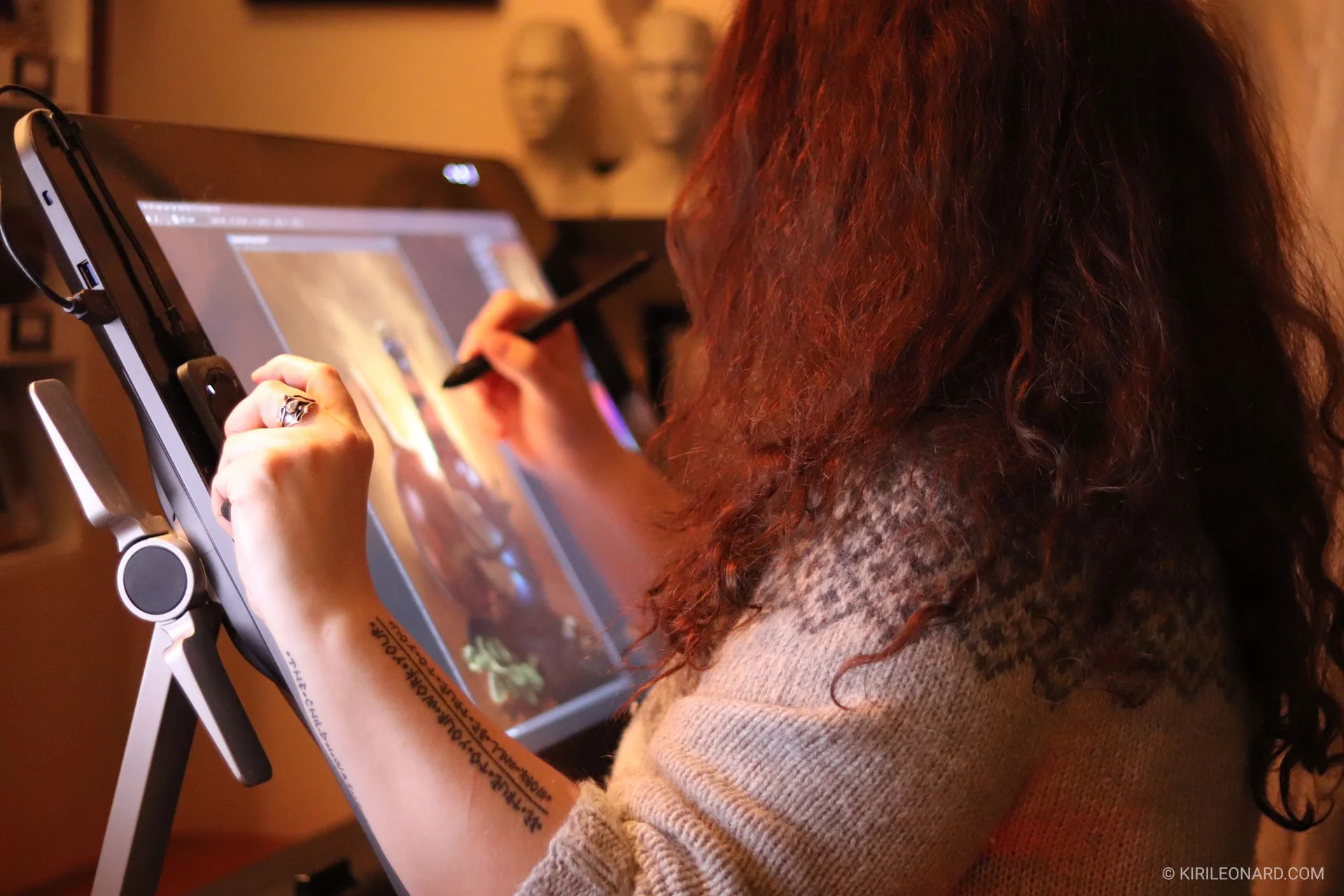
Work in progress on a interior illustration, done for Humblewood.
3. You and the client have both signed the contract, now you're ready to begin!
Sketch: You draw a sketch based on the client's description and submit this sketch to the client for approval. This is a good time for them to make changes. Make the sketch so detailed they have a good idea of what the final will look like.
Color Rough: Once the client has approved it, you move on to the color rough. Again, once it's ready - submit it to the client for approval. They can again make changes. Now you proceed to the final.
Final Illustration: At this point, you and the client should be very much on the same page, so there should (ideally) be little surprise for the client when you submit the final image.
Send them a smaller digital file/photo (with your copyright info in the corner) for approval (large enough that they can see the image clearly but not large enough that it can be printed in good quality—1200 px across is usually a reasonable size, 72 dpi).
Invoice for the Work: Once the client has approved the artwork, you send the final invoice. When the invoice is paid, you submit the print file to them. This is for your protection.
And there you have it, that’s essentially it. Does this seem like a process you can easily follow? Have people who have seen your work inquired about commissions? Are you excited to start doing art for clients? Do you have a consistent body of work/portfolio that you can showcase to attract commissions?
If so, you might just be ready! (only you can know if you truly are.) Now, here’s an article on how to GET commissions.
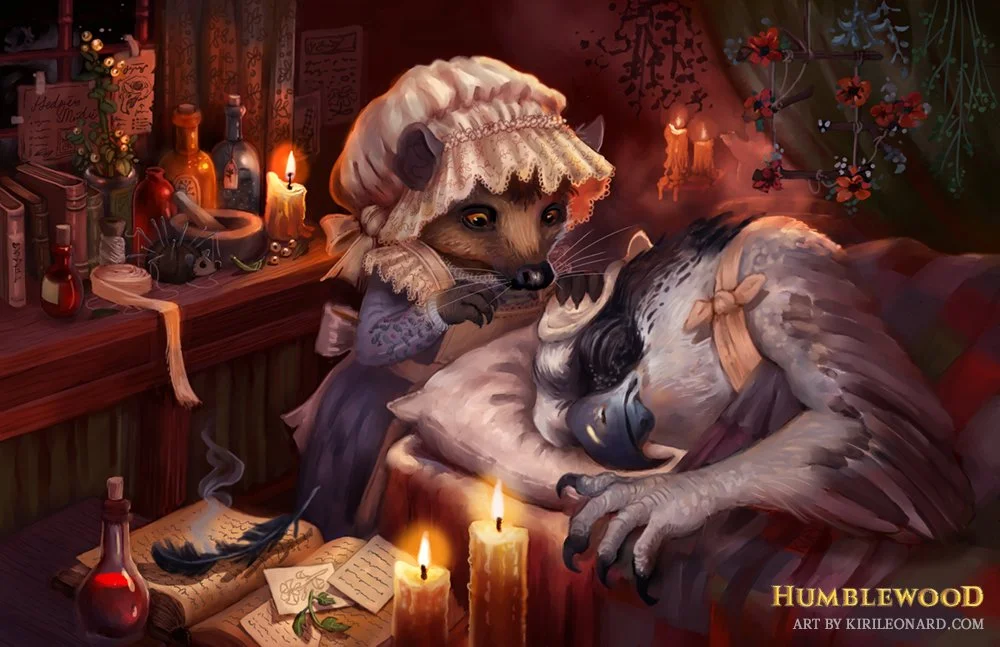
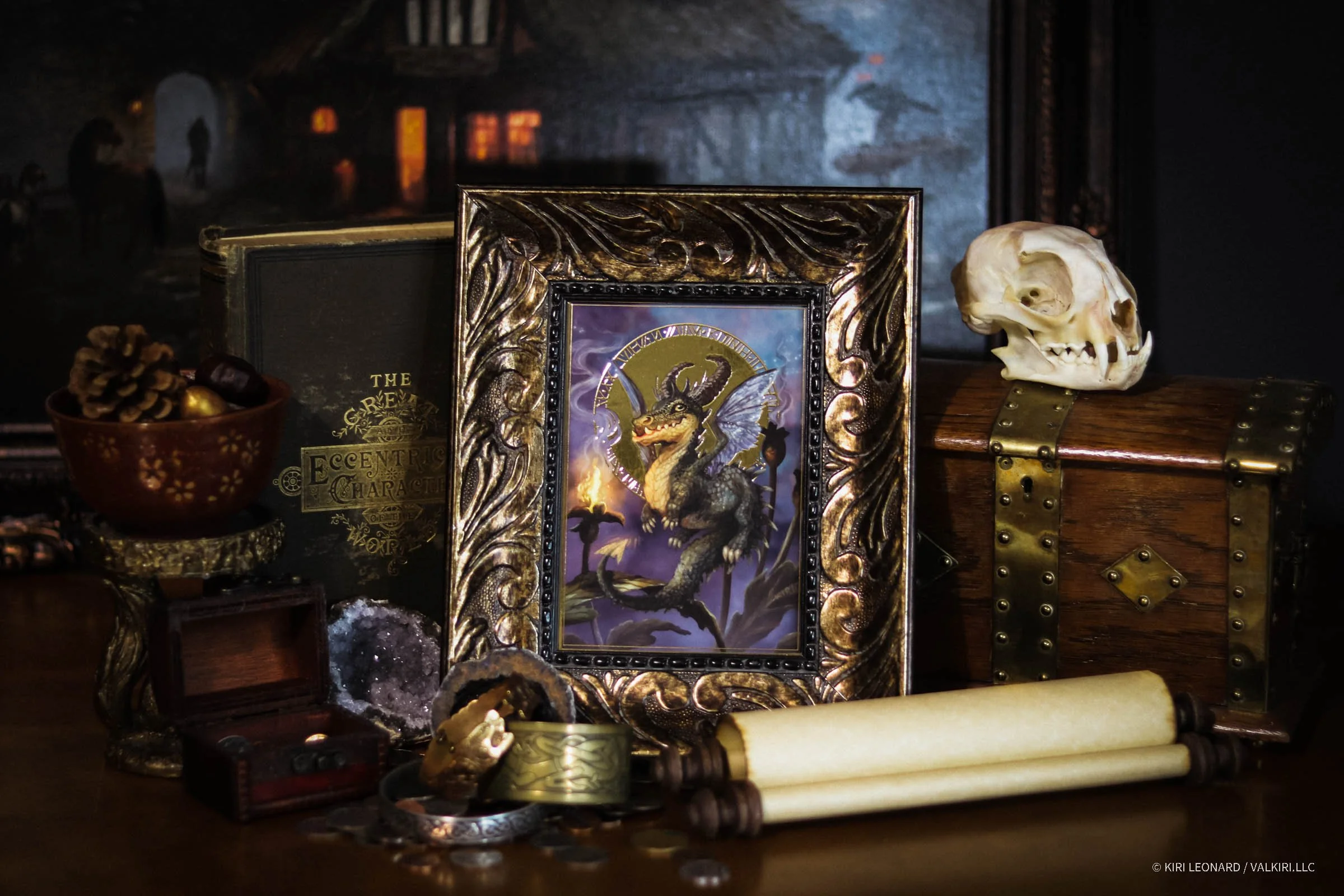
Final Art, done for Humblewood.